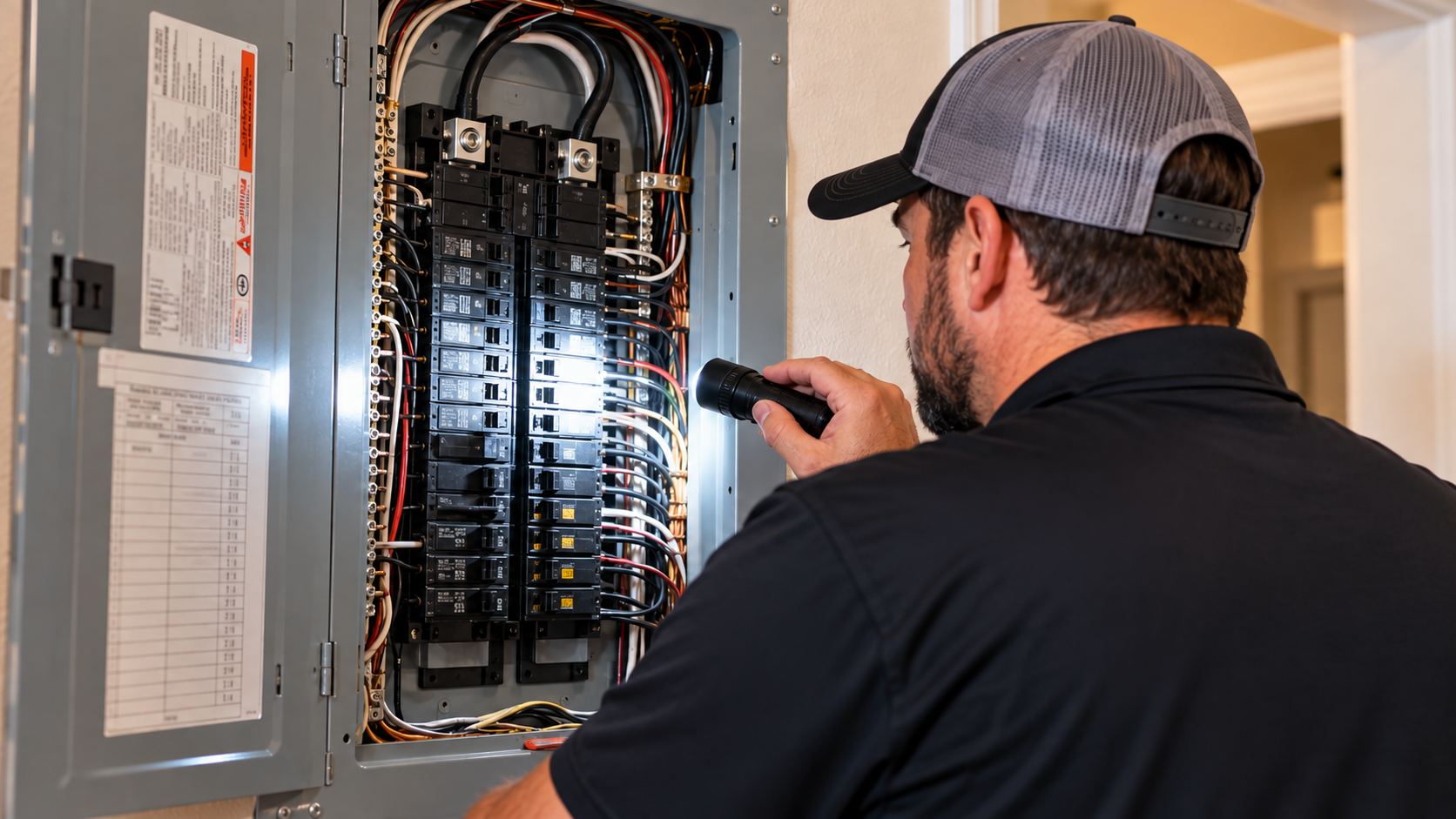
Buying a home is one of the biggest financial decisions you'll make, and understanding the condition of its electrical system is an important part of protecting that investment. Whether you're purchasing an older home in Tyler, a newer property in Whitehouse, or a house elsewhere in East Texas, electrical problems can be present even when everything appears to be working normally. Some electrical defects are relatively inexpensive to correct. Others may require professional repairs and represent significant safety concerns. At JMJ Home Inspections , we help East Texas homebuyers identify visible electrical concerns during the home inspection process so they can make more informed decisions before closing. Here are seven common electrical problems that may be discovered during a home inspection. 1. Double-Tapped Circuit Breakers One issue home inspectors may discover inside an electrical panel is a double-tapped breaker. A double-tapped breaker occurs when two conductors are connected to a single breaker terminal that is not designed or listed to accommodate both wires. This can result in a loose electrical connection, which may create overheating or arcing hazards. What homebuyers should know: Some breakers are specifically listed to accept two conductors, while others are not. Improper double-tapping may require correction by a licensed electrician. An electrical panel inspection can reveal visible wiring concerns that homeowners may not know exist. A double-tapped breaker doesn't automatically mean the entire electrical panel needs replacement, but an improper connection should be evaluated and corrected. 2. Missing or Improperly Functioning GFCI Protection Ground Fault Circuit Interrupters (GFCIs) are designed to reduce the risk of electric shock by quickly interrupting electrical power when a ground fault is detected. These protective devices are especially important in locations where electricity and moisture may come into contact. Depending on the age of the home and applicable electrical requirements, GFCI protection may be required in areas such as: Bathrooms Kitchens Garages Outdoor receptacles Laundry areas Certain unfinished basement and crawlspace locations During a home inspection, an inspector may test accessible GFCI devices and identify locations where protection appears to be missing or improperly functioning. Why this matters: A receptacle can provide electricity and still lack appropriate shock protection. Missing or defective GFCI protection is a common electrical safety concern that should be addressed by a qualified professional. 3. Exposed or Improperly Installed Electrical Wiring Exposed electrical wiring can create serious safety concerns, especially when conductors are damaged, improperly connected, or accessible to occupants. During a home inspection, visible wiring concerns may be discovered in areas such as: Attics Garages Crawlspaces Electrical panels Utility rooms Unfinished spaces Examples include missing junction box covers, improperly secured wiring, exposed splices, and damaged conductor insulation. It's important to understand that not all visible wiring is defective. Certain wiring methods are permitted to be exposed when properly installed and protected. However, exposed electrical connections and damaged wiring should be evaluated by a qualified electrician. For buyers considering older homes in Tyler and surrounding East Texas communities, checking accessible electrical components is an important part of the inspection process. 4. Ungrounded or Improperly Wired Electrical Outlets Electrical outlets may appear normal on the outside while having wiring problems behind the receptacle. Some older homes have two-prong receptacles that were installed before modern grounding requirements became widespread. Other properties may have three-prong outlets that appear grounded but lack a proper equipment grounding connection. During a home inspection, accessible receptacles may be checked for concerns such as: Open grounds Reversed polarity Damaged receptacles Loose or missing cover plates Improperly functioning outlets Why grounding matters: Proper equipment grounding provides a path for fault current that helps protective devices operate when certain electrical faults occur. An ungrounded receptacle does not necessarily require complete rewiring of the home, but the appropriate corrective action depends on the existing electrical system and applicable requirements. A licensed electrician can determine suitable repair or replacement options. 5. Outdated or Problematic Electrical Panels The electrical panel is a central component of a home's electrical distribution system. It distributes electricity to circuits throughout the house and contains protective devices intended to interrupt power during certain electrical faults. During a home inspection, visible concerns may include: Corrosion or moisture intrusion Missing protective covers Improperly installed breakers Evidence of overheating Damaged electrical components Panels with known safety concerns Certain older electrical panel brands and models have documented performance or safety concerns that may warrant further professional evaluation. However, an older electrical panel does not automatically need replacement simply because of its age . The panel's condition, manufacturer, installation, electrical capacity, and any identified defects should all be considered. If significant concerns are identified, a licensed electrician may recommend additional evaluation or corrective work. 6. Unsafe DIY Electrical Work Homeowners often complete their own improvement projects, but electrical work performed incorrectly can create hidden safety hazards. Examples of potentially unsafe DIY electrical installations include: Improper wiring connections Missing electrical junction boxes Incorrectly installed fixtures Improper extension of electrical circuits Unsupported or inadequately protected wiring Improperly installed receptacles and switches These problems may be found in renovated kitchens, converted garages, attic spaces, additions, and other areas where modifications have been made. A freshly renovated room may look attractive while concealing electrical work that was not completed properly. For East Texas homebuyers, this is one reason a professional home inspection remains valuable even when a house has recently been remodeled. 7. Missing or Improperly Functioning Smoke and Carbon Monoxide Alarms Although smoke and carbon monoxide alarms are not defects in the home's electrical distribution system, they are important safety devices that may be evaluated during a home inspection. Inspectors may identify concerns such as: Missing smoke alarms Improper alarm locations Visibly damaged alarm units Missing carbon monoxide alarms where required Alarms that do not respond to an accessible test function Requirements vary depending on the property's age, configuration, and applicable local rules. Smoke alarms are especially important near sleeping areas and within bedrooms, while carbon monoxide alarms may be required in homes with fuel-burning appliances or attached garages. Homebuyers should understand that pressing an alarm's test button does not verify every aspect of its sensing performance. A home inspection can help identify visible alarm concerns, but homeowners should continue to follow manufacturer recommendations for testing, maintenance, and replacement. Are Electrical Problems a Dealbreaker When Buying a House? Not necessarily. Finding electrical issues during a home inspection doesn't automatically mean you should walk away from a property. Some problems may be relatively straightforward for a qualified electrician to correct. Others may involve more extensive work or significant costs. The important thing is understanding the nature of the problem before making a final purchasing decision. If electrical concerns are identified, buyers may want to: Review the home inspection findings carefully. Request additional evaluation by a licensed electrician when appropriate. Obtain repair estimates before the applicable contractual deadlines. Discuss potential repairs or concessions with their real estate agent. Consider the findings when deciding whether to proceed with the purchase. A professional home inspection helps identify concerns so buyers can better understand the property and make informed decisions. What Does a Home Inspector Check in the Electrical System? During a standard residential home inspection, the inspector visually evaluates readily accessible electrical components and tests certain accessible devices. Depending on the property's configuration and inspection standards, this may include: Electrical service equipment Main and distribution panels Visible wiring Accessible receptacles and switches Installed lighting fixtures GFCI and AFCI protection where applicable Smoke and carbon monoxide alarms A general home inspection is not the same as a comprehensive electrical inspection performed by a licensed electrician . Home inspectors do not typically open walls, dismantle electrical equipment beyond the scope of the inspection, or perform specialized electrical testing. However, a professional home inspection can identify visible defects and recommend further evaluation when necessary. Why Electrical Inspections Matter for East Texas Homebuyers Homes throughout Tyler, Whitehouse, and surrounding East Texas communities vary widely in age, construction, and maintenance history. An older property may have electrical components that were installed decades ago. A newer home may have installation defects or wiring modifications that were not completed correctly. Even recently remodeled homes can contain electrical problems that aren't apparent during a typical showing. Understanding the visible condition of a home's electrical system before closing can help buyers anticipate potential repairs, recognize safety concerns, and avoid unexpected surprises. Schedule a Home Inspection in Tyler or Whitehouse, TX Whether you're buying your first home, moving to East Texas, or purchasing an investment property, a professional home inspection can provide valuable information about the property's condition. At JMJ Home Inspections , we help buyers throughout Tyler, Whitehouse, and surrounding East Texas communities better understand the homes they're purchasing. From visible electrical concerns to roofing, plumbing, HVAC systems, foundations, and other major components, a comprehensive home inspection can help you make a more informed purchasing decision. Buying a home in Tyler or Whitehouse, TX? Visit www.jmjhomeinspections.com to learn more and schedule your home inspection.
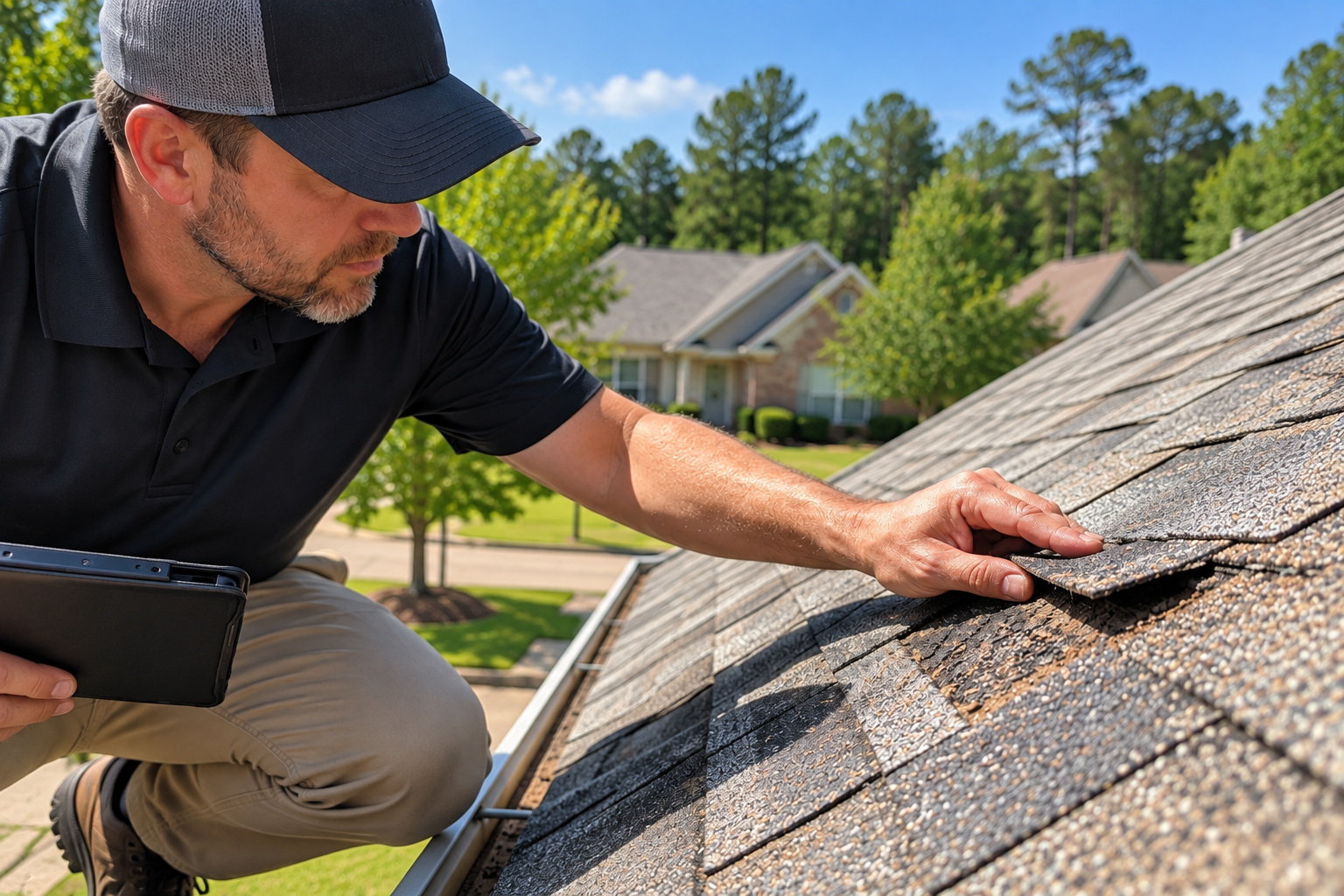
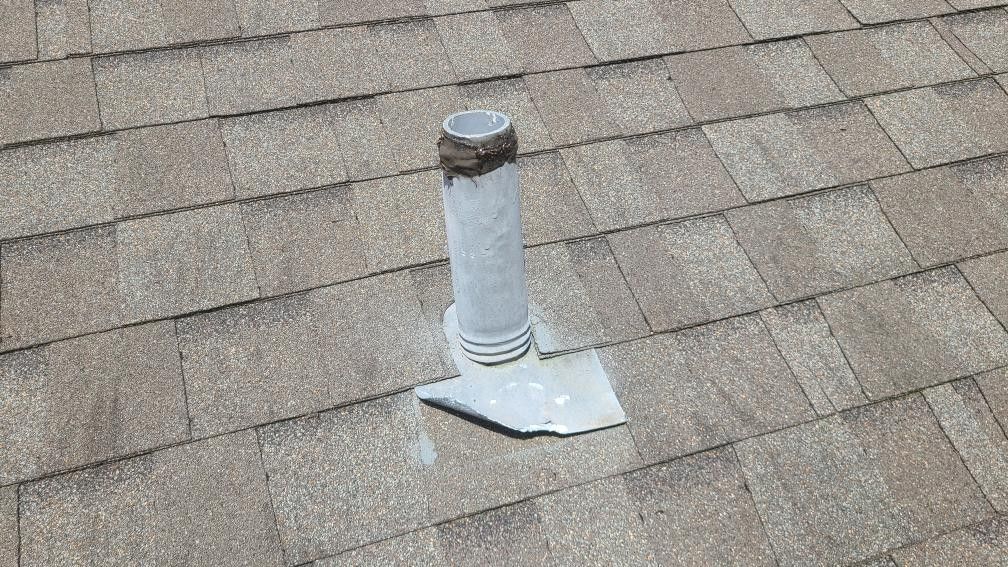
When you're buying a home, the roof is one of the most important—and potentially expensive—components to understand before closing. A roof may look perfectly fine from the driveway while still showing signs of aging, improper installation, storm damage, previous repairs, or moisture intrusion. That's especially important for homes in Tyler, Whitehouse, and throughout East Texas, where roofs are regularly exposed to intense summer heat, heavy rain, thunderstorms, wind, and occasional hail. During a professional home inspection, the roof and accessible attic areas can provide important clues about the overall condition of the home. Here are some of the common roof-related issues that may be discovered during a home inspection in East Texas. 1. Missing, Loose, or Damaged Shingles Shingles are your home's first line of defense against rain and the elements. Over time, exposure to heat, wind, storms, and normal aging can cause shingles to deteriorate. During a home inspection, an inspector may identify issues such as: Missing shingles Loose or lifted shingles Cracked or damaged shingles Curling or deteriorated edges Areas of excessive granule loss Previous shingle repairs A few damaged shingles don't necessarily mean the entire roof needs replacement. However, they can indicate areas that need further evaluation or repair. The overall condition of the roofing material can also provide buyers with a better understanding of whether the roof appears relatively serviceable or is showing significant signs of aging. 2. Improper or Damaged Flashing Some of the most vulnerable areas of a roof aren't the shingles themselves. Flashing is installed around areas where the roof changes direction or meets another structure or penetration. You'll commonly find it around chimneys, walls, valleys, vents, and other roof penetrations. If flashing is damaged, loose, improperly installed, or deteriorated, water may eventually find its way beneath the roofing materials. During a home inspection, these areas deserve particular attention because a relatively small defect can sometimes lead to moisture intrusion inside the home. 3. Plumbing Vent and Roof Penetration Problems Every opening through a roof creates another potential location for water intrusion. Plumbing vents, exhaust vents, chimneys, and other penetrations typically require flashing, boots, or sealants to help keep water out. Over time, these materials can crack, deteriorate, separate, or become damaged. A deteriorated plumbing vent boot, for example, may seem like a minor issue compared with the entire roof, but it can allow water to enter around the vent and potentially affect the roof decking or attic below. 4. Signs of Previous Roof Repairs Seeing evidence of a previous roof repair isn't automatically a bad thing. Roofs occasionally need maintenance and repairs. What matters is how the repair was performed and whether there are signs that the original problem is still present. During an inspection, an inspector may notice: Patches of newer shingles Roofing cement or sealant repairs Repaired flashing Previous leak repairs Different roofing materials in isolated areas These findings can provide useful information about the roof's history and identify areas that deserve closer attention. 5. Evidence of Moisture in the Attic Looking at the roof from the exterior is only part of evaluating the roofing system during a home inspection. When accessible, the attic can reveal problems that aren't obvious from outside. An inspector may look for conditions such as: Water staining on roof decking Moisture staining around penetrations Damaged or deteriorated roof decking Signs of previous leaks Wet or damaged insulation Visible daylight through unintended openings Water staining doesn't always mean there is an active leak. It may be evidence of an older problem that has already been repaired. However, signs of moisture should be evaluated carefully to determine whether additional investigation or repair is recommended. 6. Poor Attic Ventilation Attic ventilation is particularly important in East Texas. During our hot summers, attic spaces can become extremely hot. Proper ventilation helps manage heat and moisture within the attic and can affect both the roof and the home's overall performance. During a home inspection, an inspector may evaluate visible components of the attic ventilation system and look for conditions that could restrict airflow. Poor ventilation doesn't necessarily mean the roof is failing, but it can contribute to excessive heat and moisture accumulation and may affect roofing materials over time. 7. Roof Drainage and Gutter Problems A roof doesn't just need to keep water out—it also needs to move water away from the structure effectively. Gutters, downspouts, roof valleys, and the slope of the roof all play a role in directing rainwater away from the home. During an inspection, common observations may include: Clogged or damaged gutters Loose gutter sections Improperly positioned downspouts Debris collecting in roof valleys Drainage that deposits water too close to the foundation This becomes particularly important during the heavy rainstorms we experience in Tyler, Whitehouse, and throughout East Texas. Roof drainage can also affect other areas of the property. Water that repeatedly collects around the foundation can contribute to drainage and moisture concerns around the home. 8. Storm and Hail Damage East Texas weather can be tough on roofs. Thunderstorms, high winds, heavy rain, falling branches, and hail can damage roofing materials. Sometimes that damage is obvious. Other times, buyers may not notice anything unusual while viewing the property from the ground. A home inspection may identify visible conditions that could be consistent with storm-related damage, such as damaged or missing shingles or other affected roofing components. When conditions warrant it, further evaluation by a qualified roofing professional may be recommended. 9. Tree Limbs and Debris Near the Roof Trees are one of the things that make East Texas beautiful, but large trees close to a house can create additional maintenance concerns. Branches that touch or hang directly over a roof can potentially damage shingles, deposit leaves and pine needles, and contribute to debris accumulation in gutters and valleys. Large limbs may also present a risk during severe weather. During a home inspection, vegetation and other conditions around the roof may be noted when they could affect the structure. Does a Home Inspector Determine How Many Years a Roof Has Left? This is an important distinction for home buyers. A home inspection evaluates the visible and accessible condition of the roof at the time of the inspection. It isn't a guarantee of exactly how long the roof will last. Roof lifespan depends on numerous factors, including the roofing material, installation quality, maintenance history, ventilation, weather exposure, previous storm damage, and repairs. Instead of focusing solely on an estimated age, buyers should pay attention to the actual condition of the roof and any defects identified during the inspection. If significant concerns are discovered, the inspector may recommend further evaluation by a qualified roofing professional. Why the Roof Matters When Buying a Home Roof problems can range from relatively minor maintenance items to significant repairs. That's why understanding the roof's condition before purchasing a home is so valuable. A professional home inspection can help identify visible deficiencies and give you more information about the property before you take ownership. Depending on the findings and the terms of your real estate contract, that information may also help you determine whether additional evaluations are appropriate before closing. Buying a Home in Tyler or Whitehouse, TX? If you're purchasing a home in Tyler, Whitehouse, or the surrounding East Texas area, don't assume the roof is in good condition simply because you don't see a leak. A professional home inspection evaluates the visible and accessible components of the roof along with the home's other major systems, including the foundation, electrical system, plumbing, HVAC equipment, attic, exterior, and interior. At JMJ Home Inspections, our goal is to give home buyers clear, useful information about the property they're considering so they can better understand its condition before closing. Whether you're buying your first home, moving to the Tyler or Whitehouse area, or purchasing another property in East Texas, schedule your home inspection before you close. JMJ Home Inspections Serving Tyler, Whitehouse, and surrounding East Texas communities.

When buying a home, you’ll hear a lot of unfamiliar terms thrown around during the process. Two that often cause confusion are home inspection and home appraisal. Both typically happen before closing, and both involve someone evaluating the property. However, they serve very different purposes. An appraisal is primarily concerned with the value of the property, while a home inspection is focused on the condition of the property. Understanding the difference can help you know what to expect during the home-buying process and why having a professional home inspection is still important even when an appraisal is required. What Is a Home Inspection? A home inspection is an evaluation of the accessible systems and components of a property. The purpose is to help the buyer better understand the condition of the home before completing the purchase. During a home inspection, the inspector looks for defects, safety concerns, signs of damage, maintenance issues, and other conditions that may deserve the buyer’s attention. Depending on the property and scope of the inspection, this can include areas such as: Roof and attic Foundation and structural components Electrical systems Plumbing systems Heating and cooling systems Doors and windows Walls, ceilings, and floors Built-in appliances Exterior components Drainage and grading After the inspection, the buyer receives an inspection report documenting the inspector’s findings. The goal isn’t to determine whether you should or shouldn’t buy the home. Instead, the inspection provides information that can help you make a more informed decision about the property. What Is a Home Appraisal? A home appraisal serves a different purpose. An appraisal is an evaluation used to develop an opinion of the property’s value. When a buyer is financing a home, the lender will commonly require an appraisal before approving the loan. The appraiser considers factors that may include the home’s location, size, features, overall condition, and comparable property sales in the area. The lender wants to make sure the property provides appropriate collateral for the amount being financed. For example, if a buyer agrees to purchase a home for $300,000, the lender generally wants evidence that the property supports a value around that amount before lending money against it. That makes the appraisal an important part of the lending process, but it does not provide the same information as a home inspection. Home Inspection vs. Appraisal The easiest way to remember the difference is: Appraisal: What is the home worth? Home Inspection: What condition is the home in? An appraiser may observe certain obvious issues while evaluating the property, but the appraisal is not designed to provide the detailed evaluation you receive from a professional home inspection. A home inspector spends the inspection evaluating accessible systems and components throughout the property and documenting observed deficiencies. The two services answer different questions and serve different purposes. Does an Appraisal Replace a Home Inspection? No. One of the biggest mistakes a home buyer can make is assuming that because a property was appraised, it has also been thoroughly inspected. An appraisal should not be treated as a substitute for a professional home inspection. A home can appraise at or above its purchase price and still have defects or repair needs that a buyer would want to know about. Issues involving plumbing, electrical components, HVAC equipment, roofing, moisture, drainage, appliances, or other areas of the home may not affect an appraisal in the same way they matter to someone preparing to own and maintain the property. That is why buyers should understand exactly what each service is intended to accomplish. Why Is a Home Inspection Important for Buyers? Buying a home is a major financial commitment. Even a house that looks great during a showing can have issues that aren't immediately obvious to a buyer. A professional home inspection gives you an opportunity to learn more about the property before closing. Depending on the findings and the terms of your real estate contract, the inspection may also provide information you can discuss with your real estate agent when deciding how to proceed. More importantly, the inspection helps you enter homeownership with a better understanding of the property. Not every finding is a major problem. Homes require maintenance, and inspectors commonly identify a mixture of minor deficiencies, maintenance recommendations, safety concerns, and potentially more significant issues. The value of the inspection is knowing about those conditions rather than discovering them unexpectedly after moving in. What If the Home Is New? New construction homes can benefit from inspections as well. A newly built home has not experienced years of normal wear, but that does not mean every component was installed perfectly. Construction involves numerous contractors, subcontractors, materials, systems, and installation steps. An independent inspection can help identify observable concerns before you take ownership. The same principle applies to recently renovated homes. New flooring, paint, countertops, or fixtures can make a property look excellent, but cosmetic improvements don't necessarily tell you about the condition of the home's major systems. Should You Attend Your Home Inspection? When possible, attending at least part of your inspection can be helpful. It gives you an opportunity to become more familiar with the property and ask questions about the inspector’s observations. Your inspection report provides important documentation, but seeing certain conditions in person can make them easier to understand. For first-time home buyers especially, an inspection can also be an opportunity to learn more about the house they may soon own. Schedule a Home Inspection in Tyler, Texas If you’re buying a home in Tyler, Whitehouse, or the surrounding East Texas area, don't confuse the appraisal with the home inspection. The appraisal helps determine the property’s value. The home inspection helps you better understand its condition. At JMJ Home Inspections, our goal is to provide buyers with clear, useful information about the property so they can move forward with a better understanding of the home they're purchasing. If you’re under contract or preparing to purchase a home in East Texas, contact JMJ Home Inspections to schedule your professional home inspection.
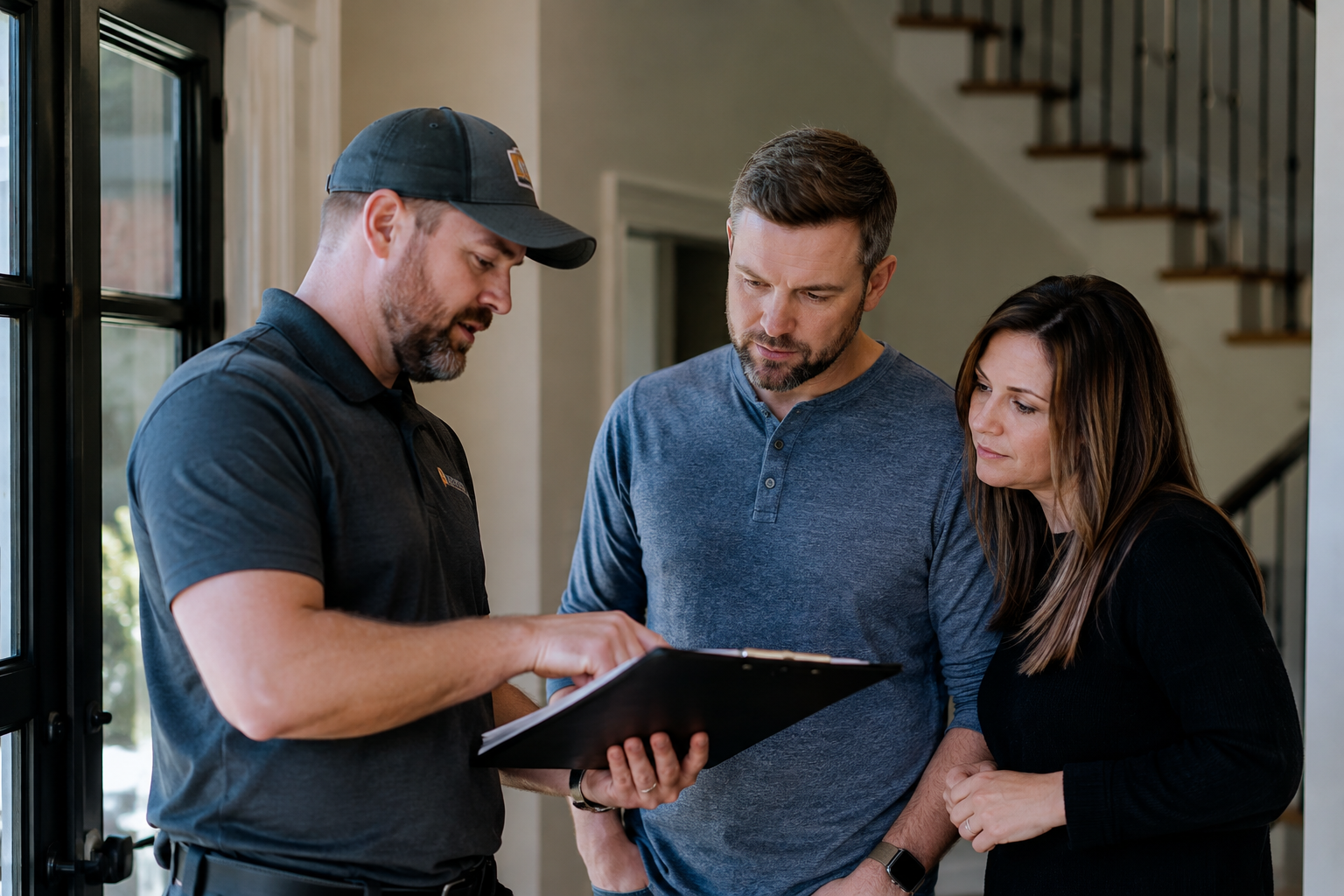
Should you have your home inspector return after seller repairs? Learn why a home reinspection before closing can protect buyers in Tyler, TX.
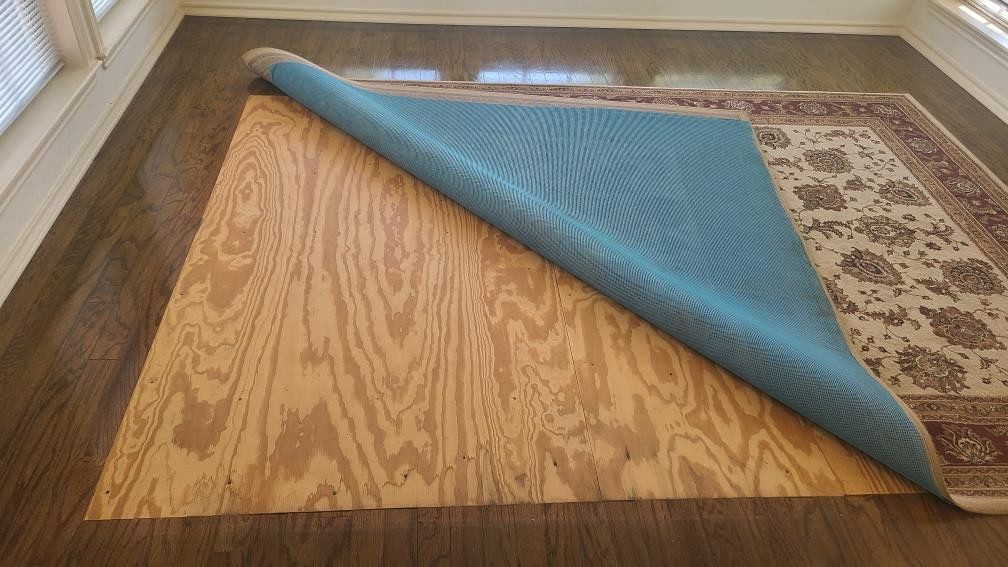
Buying a home is exciting, but it is also one of the largest financial decisions most people will ever make. During a showing, it is easy to focus on the things you can immediately see: fresh paint, new flooring, updated fixtures, a clean kitchen, or a nicely landscaped yard. Unfortunately, the condition of a home is not always as simple as it appears. Sometimes problems are difficult to see because they have been repaired or covered. In other situations, a seller may not even know that a problem exists. And, yes, there are situations where cosmetic improvements can make existing defects harder for a buyer to notice. That is one reason a professional pre-purchase home inspection is so important. At JMJ Home Inspections, we help home buyers in Tyler and throughout East Texas get a better understanding of the property they are considering before they close. Here are some common issues buyers should watch for and areas a home inspector may evaluate during a home inspection. 1. Fresh Paint Over Water Stains Fresh paint is not automatically suspicious. Many homeowners repaint before listing a house simply because it makes the property look cleaner and more appealing. However, isolated areas of new paint deserve a closer look, especially on ceilings or around windows. Water stains can sometimes be painted over without addressing the source of the moisture. The underlying problem could involve a roof leak, plumbing leak, condensation, or water intrusion around a window. A home inspector will look for visible evidence of current or previous moisture problems and evaluate accessible areas that may help determine where the moisture originated. A freshly painted ceiling looks nice. A freshly painted ceiling underneath an active roof leak is another story. 2. New Flooring Covering Problems New flooring can be a legitimate upgrade, but buyers should pay attention to how the floor feels as they walk through the house. Soft areas, noticeable slopes, movement, uneven surfaces, or unusual transitions between rooms may indicate problems underneath the finished flooring. Depending on the home, underlying concerns could include moisture damage, deteriorated subflooring, previous repairs, or structural movement. This is particularly important in East Texas, where moisture, drainage, soil conditions, and foundation movement can all affect homes over time. 3. Signs of Foundation Movement Foundation problems are understandably a major concern for Texas home buyers. Not every drywall crack means a house has a serious foundation problem. Homes move, materials expand and contract, and minor cracks can develop for several reasons. However, certain patterns may deserve additional attention. An inspector may look for cracks in walls or exterior masonry, doors and windows that do not operate properly, noticeably uneven floors, separation around trim or exterior surfaces, and other visible indications of movement. A home inspection is not the same as an engineering evaluation, but an inspector can identify visible conditions that may warrant further evaluation by a qualified foundation professional or structural engineer. 4. Musty Smells Hidden by Air Fresheners Walking into a house that smells clean is usually a good thing. Walking into a house with a strong air freshener in nearly every room might make you wonder what odors are being covered. Musty smells can sometimes indicate excessive moisture or microbial growth. Other odors may come from pets, smoking, plumbing problems, or other sources. Home buyers should pay particular attention to bathrooms, closets, areas underneath sinks, utility rooms, basements or crawlspaces when present, and rooms adjacent to exterior walls. An inspector will look for visible evidence of moisture intrusion and other conditions that could be contributing to unusual odors. 5. Plumbing Leaks and Previous Water Damage A small plumbing leak can create a surprisingly large problem if it continues long enough. During a home inspection, accessible plumbing fixtures and components are typically evaluated for visible problems. Inspectors may find dripping connections, leaking drains, damaged cabinets, moisture staining, deteriorated materials, or evidence of previous repairs. Buyers should also look underneath sinks themselves during a showing. Discoloration, warped cabinet materials, staining, or a musty odor can indicate that water has been present. Even if the leak has already been repaired, it is worth understanding whether surrounding materials were damaged. 6. Roof Problems and Temporary Repairs A roof can be expensive to replace, making its condition especially important when buying a home. A roof may look acceptable from the ground while still having damaged or deteriorated components. Previous repairs may also indicate areas where leaks have occurred in the past. During an inspection, the inspector may evaluate accessible roofing materials, flashing, penetrations, drainage components, and visible conditions in the attic when accessible. Inside the attic, staining or damaged materials may provide additional clues about previous or ongoing roof leaks. A roof does not necessarily have to be actively leaking on inspection day for there to be evidence of previous problems. 7. DIY Electrical Work Do-it-yourself improvements can range from excellent craftsmanship to potentially unsafe work. Electrical modifications are one area where poor workmanship deserves particular attention. A home inspector may identify issues such as improperly installed wiring, damaged receptacles, missing covers, incorrect connections, problems within accessible electrical panels, or other visible safety concerns. This is one reason buyers should be cautious about assuming that a recently remodeled home is automatically in better condition than an older-looking property. New does not always mean correctly installed. 8. HVAC Problems Heating and cooling are especially important in Texas. A seller may have the thermostat set comfortably during a showing, but that does not tell you everything about the HVAC system. During a home inspection, accessible heating and cooling equipment is typically operated and evaluated within the scope of the inspection. The inspector may identify visible deficiencies, maintenance concerns, drainage problems, damaged components, or other issues. An inspection cannot predict exactly how long an HVAC system will last, but it can provide useful information about its observed condition and operation at the time of the inspection. 9. Drainage Problems Around the Home Some of the most important things to inspect are actually outside the house. Poor drainage can allow water to collect near a foundation or other parts of the structure. Over time, this can contribute to moisture intrusion, erosion, or other problems. An inspector may look at grading, gutters, downspouts, visible drainage patterns, and areas where water appears likely to collect. Buyers should pay attention to standing water, soil erosion, unusually damp areas, or obvious low spots near the home. In East Texas, where heavy rainfall can occur, managing water around a home is particularly important. 10. Termite and Wood-Destroying Insect Damage Termites can cause significant damage without being immediately obvious to a home buyer walking through a property. Potential signs can include damaged wood, previous treatment evidence, shelter tubes, or other visible conditions associated with wood-destroying insects. A standard home inspection and a specialized wood-destroying insect inspection are not necessarily the same service, so buyers should understand exactly what inspections they are ordering. If there is evidence of possible termite activity or damage, further evaluation by an appropriately licensed professional may be recommended. Cosmetic Improvements Are Not Automatically a Red Flag It is important to keep these concerns in perspective. Fresh paint does not mean someone is hiding a leak. New flooring does not mean the subfloor is damaged. A repaired drywall crack does not automatically mean a house has foundation problems. Most sellers want their homes to look their best before putting them on the market. The goal of a home inspection is not to assume that a seller is being dishonest or to find a reason not to buy the house. It is to independently evaluate the visible and accessible components of the property so the buyer can make a more informed decision. Why a Pre-Purchase Home Inspection Matters A house can look beautiful and still have problems that are easy for an untrained buyer to miss. That is where a professional home inspection provides value. An experienced inspector approaches the property differently than someone walking through and deciding whether they like the kitchen or where their furniture will go. The inspector is looking at the home as a collection of systems and components, searching for visible defects, safety concerns, signs of damage, and conditions that may require additional evaluation. No home inspection can uncover every possible concealed condition, and an inspection should never be treated as a guarantee that a home is problem-free. But it can give you substantially more information than you would have from a showing alone. Schedule a Home Inspection in Tyler or East Texas If you are buying a home in Tyler or the surrounding East Texas area, do not rely only on what you can see during the walkthrough. JMJ Home Inspections provides thorough pre-purchase home inspections designed to help buyers better understand the condition of the property before closing. Whether you are buying your first home, moving to East Texas, or purchasing your next property, having an experienced inspector evaluate the home can help you identify concerns before they become your responsibility. Schedule your home inspection with JMJ Home Inspections before you close and make your home-buying decision with better information.
A home inspection report can be overwhelming, especially for first-time homebuyers. It may contain dozens of findings ranging from small maintenance items to problems that could require expensive repairs. The important thing to remember is that not every item in a home inspection report carries the same weight. If you're buying a home in Tyler, TX or the surrounding East Texas area, understanding which inspection findings deserve the most attention can help you make a more informed decision before closing. What Should You Pay the Most Attention to on a Home Inspection? A professional home inspection evaluates many of the home's visible and accessible systems and components. It's common for an inspector to identify numerous deficiencies, even in a home that has been well maintained. Instead of focusing only on the number of findings, homebuyers should consider the potential safety, cost, and consequences of each issue. Here are some of the areas that may deserve closer attention. 1. Structural and Foundation Concerns Foundation movement and structural problems can be significant because they may affect other parts of the home. Potential warning signs can include: Significant cracking in walls, ceilings, brick, or the foundation Doors or windows that do not operate properly Uneven or sloping floors Evidence of movement in structural components Damaged or improperly altered framing East Texas homes can experience foundation movement for a variety of reasons, so observed signs of structural movement should be taken seriously. Depending on the findings, additional evaluation by an appropriate qualified professional may be recommended. 2. Roof Problems and Active Water Intrusion A small cosmetic defect is very different from an active roof leak. Roofing problems can lead to moisture intrusion, damaged decking, deterioration of building materials, and other problems if they aren't addressed. Homebuyers should pay particular attention to findings involving active leaks, damaged or missing roofing materials, deteriorated flashing, visible roof damage, or signs of moisture intrusion in the attic. 3. Electrical Safety Issues Some electrical deficiencies can create shock or fire hazards and may deserve prompt attention. Examples include exposed wiring, damaged electrical components, improper connections, problems within electrical panels, and other observed safety concerns. An inspection can identify visible issues, but certain findings may warrant further evaluation or repair by a qualified electrician. 4. Plumbing Leaks and Water Damage Water can cause a surprising amount of damage when a leak goes unnoticed. Homebuyers should pay close attention to active plumbing leaks, moisture around fixtures, signs of previous water damage, deteriorated plumbing components, and other conditions that could allow continued water intrusion. The urgency of a plumbing issue depends heavily on whether it is actively leaking and what could be damaged if it continues. 5. HVAC Problems Heating and cooling equipment can represent a substantial expense for a homeowner. An older HVAC system is not automatically defective simply because of its age. However, an inspection may uncover problems with operation, installation, drainage, visible components, or other conditions that warrant attention. If a major HVAC concern is discovered, a qualified HVAC professional may be needed to provide additional evaluation and repair estimates. 6. Fire and Life-Safety Concerns Safety-related findings should generally receive more attention than cosmetic defects. Depending on the home, an inspection may identify concerns involving smoke or carbon monoxide alarms, electrical hazards, stairways and handrails, garage separation, heating equipment, or other conditions that could affect occupant safety. These findings may not always be the most expensive items in the report, but they can still be among the most important. What About Minor Items? Home inspection reports often contain smaller deficiencies such as damaged screens, minor caulking needs, loose hardware, worn finishes, or routine maintenance recommendations. These items are still worth knowing about, but they typically should not distract a buyer from understanding larger safety, structural, moisture, electrical, plumbing, roofing, or mechanical concerns. A useful way to think about an inspection report is to ask: Is this a safety concern? Is there active damage occurring? Could delaying the repair cause more damage? Is this likely to be an expensive repair? Does a specialist need to evaluate it further? The answers can help you decide which findings deserve additional attention before purchasing the home. Should You Ask the Seller to Repair Everything? A home inspection is not a pass-or-fail test, and finding defects does not necessarily mean you should walk away from the home. The inspection gives you more information about the condition of the property so you can make an informed decision. What you choose to negotiate with the seller is ultimately a decision for you and your real estate professional. Your inspector's role is to provide an objective assessment of the home's visible and accessible systems and components at the time of the inspection. Buying a Home in Tyler or East Texas? A home is a major investment. A professional pre-purchase home inspection can help you better understand the property's condition before you close. JMJ Home Inspections provides professional home inspections for buyers in Tyler, TX and communities throughout East Texas. With more than 2,000 inspections completed, JMJ Home Inspections helps buyers understand what they're purchasing so they can move forward with better information and fewer surprises. Schedule your home inspection with JMJ Home Inspections before closing on your next East Texas home.

Buying a home is one of the biggest financial decisions most people make. Protecting that investment involves more than routine maintenance. Having the right homeowners insurance coverage can help protect your home, personal belongings, and finances when unexpected damage occurs. For homeowners and homebuyers in Tyler and throughout East Texas, understanding your insurance policy is especially important. Severe thunderstorms, high winds, hail, falling trees, plumbing leaks, and other property concerns can lead to expensive repairs. While a professional home inspection is not an insurance inspection and your home inspector cannot determine what your insurance company will or will not cover, an inspection can help you better understand the condition of the property you're buying or maintaining. What Does Homeowners Insurance Typically Cover? Homeowners insurance policies vary, so you should always review your specific coverage with a licensed insurance professional. However, a typical policy may include several major categories of protection. Dwelling and Property Coverage Dwelling coverage generally helps protect the physical structure of your home against covered losses. Depending on your policy, additional structures such as detached garages, storage buildings, or other structures on the property may also have coverage. Personal property coverage may help protect belongings such as furniture, clothing, electronics, and other household possessions. Coverage limits, exclusions, deductibles, and whether property is covered at actual cash value or replacement cost can make a significant difference when filing a claim. Personal Liability Coverage Homeowners insurance commonly includes personal liability protection. For example, if someone is injured on your property and you are found legally responsible, your policy may provide coverage for damages and legal expenses, subject to the terms and limits of the policy. This is one reason homeowners should pay attention to potential safety concerns around a property, including damaged walking surfaces, deteriorated stairs, missing or inadequate handrails, and other conditions that could create a hazard. Additional Living Expenses Some homeowners policies provide additional living expense coverage when damage from a covered event makes the home temporarily uninhabitable. Depending on the policy, this may help with costs such as temporary lodging and certain additional expenses while repairs are being completed. Coverage varies significantly, so homeowners should understand these limits before they ever need to make a claim. Homeowners Insurance and Your Home's Condition Insurance and home inspections serve different purposes, but the physical condition of your home can affect both your risk of property damage and your overall cost of homeownership. Here are several areas East Texas homeowners should pay particular attention to. Roof Condition Your roof is one of your home's primary defenses against rain, wind, and storms. A professional home inspection may identify visible concerns such as: Missing or damaged roofing materials Signs of deterioration or aging Improper flashing Visible evidence of previous repairs Roof penetrations that may need attention Evidence of moisture intrusion where accessible An inspection does not guarantee that an insurance company will insure a roof or pay a future claim, but knowing the roof's observable condition can help you make more informed decisions. Electrical Systems Older or defective electrical components can increase the risk of fire and may require further evaluation or repair. During a home inspection, accessible electrical components are evaluated for visible defects and safety concerns. This may include the electrical service, panels, receptacles, grounding-related components, and other accessible portions of the system. Plumbing and Water Damage A sudden plumbing failure can cause thousands of dollars in damage. Homeowners should pay attention to plumbing leaks, deteriorated materials, water stains, moisture intrusion, and other signs that could indicate an existing or developing problem. Insurance coverage for water damage depends heavily on how and why the damage occurred. Sudden accidental water discharge may be treated differently from long-term leakage, seepage, flooding, or maintenance-related problems. Trees and Vegetation East Texas has plenty of mature trees, which can be a major selling point for a property. They can also become a concern when large limbs, dead trees, or vegetation are located too close to the home. A home inspection may call attention to readily observable conditions around the property, but a qualified arborist should evaluate trees when there are concerns about their health or stability. Flooding Is Different From Many Other Types of Water Damage One of the most important insurance distinctions for homeowners to understand is the difference between homeowners insurance and flood insurance. Standard homeowners policies generally do not provide coverage for flooding. This is particularly important when evaluating a property. Homebuyers should research the property's flood risk and speak with their insurance agent about whether separate flood insurance is appropriate or required. A home inspection also isn't a substitute for determining a property's official flood-zone designation. Don't Base Your Coverage Only on the Purchase Price The amount you paid for a home and the amount it would cost to rebuild it are not necessarily the same. Your purchase price includes factors such as the land, location, real estate market, and local demand. Insurance coverage for the structure is generally concerned with the cost of repairing or rebuilding the home. Construction and material costs can also change considerably over time. Talk with your insurance professional about appropriate dwelling and replacement-cost coverage rather than assuming your purchase price represents the amount of insurance you need. Review Your Deductible A higher deductible can sometimes lower your insurance premium, but it also increases the amount you'll have to pay out of pocket before insurance begins paying on a covered claim. East Texas homeowners should also ask whether their policy has separate deductibles or provisions related to wind or hail damage. Don't choose a deductible based solely on the lowest monthly premium. Consider how much you could realistically afford to pay after a major storm or unexpected loss. Ask About Home Safety and Security Discounts Depending on the insurance company, certain safety or security improvements may qualify for discounts. These could potentially include: Smoke alarms Security systems Monitored fire or burglar alarms Deadbolt locks Updated electrical systems Updated plumbing systems Roof improvements Other loss-prevention improvements Before spending money specifically to obtain an insurance discount, ask your insurance company exactly what improvements qualify. Review Your Homeowners Policy Regularly Your home changes over time, and so can rebuilding costs. Major renovations, additions, expensive purchases, detached structures, home businesses, and other changes may affect the amount or type of insurance coverage you need. Reviewing your homeowners policy periodically with your insurance professional can help make sure your coverage still matches your situation. Buying a Home in Tyler or East Texas? Get It Inspected Before Closing Insurance protects you financially against certain covered losses. A home inspection has a different purpose: helping you understand the observable condition of the home at the time of the inspection. A professional home inspection can evaluate many of the home's major systems and components, including the roof, foundation, electrical system, plumbing, HVAC equipment, attic, exterior, interior, and other accessible areas. For buyers, that information can be valuable before taking ownership of a property. JMJ Home Inspections provides professional home inspections in Tyler and throughout the East Texas area. Whether you're buying your first home, moving to East Texas, purchasing an investment property, or simply want a better understanding of a home's condition, a thorough inspection can help you make a more informed decision. Schedule your East Texas home inspection with JMJ Home Inspections before you close. Educational Source This article was adapted and rewritten for JMJ Home Inspections using homeowner education material provided by the International Association of Certified Home Inspectors (InterNACHI®). Original educational content © InterNACHI®. Used as a reference in accordance with applicable InterNACHI member-use permissions. Insurance policies, coverage requirements, exclusions, and deductibles vary by insurer and policy. JMJ Home Inspections does not provide insurance advice. Consult a licensed insurance professional regarding your specific coverage.

This is a subtitle for your new post
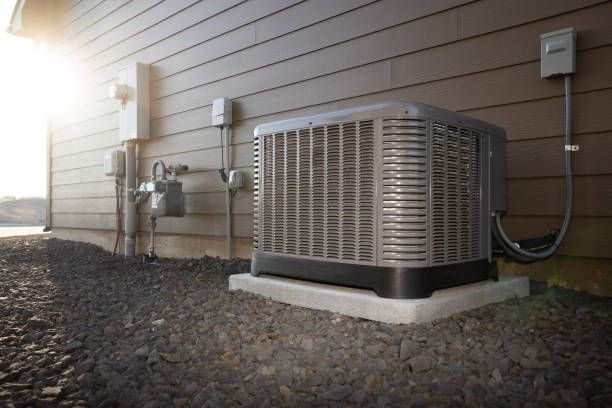
East Texas summers are hard on air conditioning systems — and hard on homeowners who don't know what to look for until the AC quits on the hottest day of the year. After years of crawling through attics and standing over condenser units in the middle of July, I've noticed the same handful of issues show up on inspection reports over and over. Here's what I look for, why it matters, and what you can do now to avoid a costly surprise this summer. 1. Dirty or Clogged Air Filters This is the single most common issue I find, and it's the easiest to fix. A clogged filter restricts airflow, forces your system to work harder, and can lead to a frozen evaporator coil — which often gets mistaken for a "broken AC" when really it's just ice buildup from restricted airflow. What to do: Check your filter monthly during peak summer use and replace it every 1–3 months, depending on the filter type and whether you have pets. 2. Condensate Drain Line Clogs In our humidity, condensate lines clog with algae and debris more often than people expect. When that line backs up, water can overflow into your attic or around your indoor unit, leading to stained ceilings, damaged insulation, or worse. What to do: Pour a cup of distilled white vinegar down the drain line every few months to keep algae growth in check, and make sure the line has a working shutoff switch if it backs up. 3. Refrigerant Lines and Insulation Wear I regularly find refrigerant line insulation that's cracked, sun-damaged, or missing altogether — usually on the line running from the outdoor condenser into the house. Exposed lines lose efficiency and make your system work harder in the heat. What to do: Have a technician inspect insulation on refrigerant lines annually, and replace any sections that are worn or missing. 4. Outdoor Unit Airflow Obstructions Condenser units need clearance to breathe. I often find units crowded by overgrown landscaping, stored items, or debris — all of which restrict airflow and can cause the system to overheat or short-cycle. What to do: Keep at least 2 feet of clearance around your outdoor unit, and trim back any plants or grass clippings that build up on the coils. 5. Aging or Undersized Systems Struggling in Peak Heat Some AC units are simply reaching the end of their service life — typically 12–15 years for most residential systems in our climate. On older homes, I sometimes find a system that was undersized for the square footage from day one, which means it's been overworking since it was installed. What to do: If your system is over a decade old and struggling to keep up on 100-degree days, it may be more cost-effective to plan for a replacement than to keep patching an aging unit. Why This Matters Before You Buy or Sell Whether you're preparing to list your home or getting ready to buy one, the AC system is one of the most expensive components to repair or replace — and one of the easiest to overlook until it fails. A thorough home inspection catches these issues early, giving buyers negotiating power and sellers a chance to address problems before they become deal-breakers. Beat the Heat — Schedule Your Inspection Today If you're buying, selling, or just want peace of mind heading into the hottest months of the year, JMJ Home Inspections is here to help. We take a close look at your entire home, including the AC system, so you know exactly what you're working with. Contact JMJ Home Inspections in Tyler, TX to schedule your inspection today.

If you've ever had a home insurance policy get canceled, non-renewed, or hit with a surprise premium increase after an inspection, you're not alone. Every year, insurance companies across East Texas tighten their underwriting standards, and the things they're looking for overlap heavily with what we look for during a standard home inspection. At JMJ Home Inspections, we inspect homes across Tyler, Longview, and the surrounding areas every week, and we've started noticing a pattern: the same handful of issues that show up in our reports are the ones insurance carriers use to deny coverage or hike premiums. This post walks through the most common ones, why they matter to an insurer, and what you can do about each one. Why Insurance Companies Care About Inspection Findings Home insurance underwriting has changed a lot over the past few years. Rising claims from severe weather, aging housing stock, and litigation costs have made many carriers far more conservative about what they'll insure — and at what price. Many insurers now require a four-point inspection (roof, electrical, plumbing, and HVAC) before issuing or renewing a policy on an older home, and some will send their own inspector out after a claim to look for pre-existing conditions. The bottom line: a full home inspection before you buy, sell, or renew coverage isn't just about knowing what you're buying. It's about knowing what an insurance company might use against you later. 1. Roof Age and Condition Roofing is the single most common reason we see homes flagged for insurance issues. Most carriers in Texas want to see a roof that's 15-20 years old or newer, and some are getting stricter — capping coverage at 10-15 years for full replacement cost coverage, after which they'll only pay actual cash value (depreciated value) on a claim. What we look for: missing or curling shingles, granule loss, exposed nail heads, soft spots, and flashing issues around chimneys and vents. What to do: if your roof is approaching 15 years old, get a professional roof inspection before your insurance renewal date, not after a denial letter shows up. 2. Outdated or Recalled Electrical Panels Certain electrical panel brands — most notably Federal Pacific Electric (FPE) and Zinsco panels — are known fire hazards and are an automatic red flag for many insurers. Some carriers will deny coverage outright if one of these panels is present, regardless of the rest of the home's condition. What we look for: panel brand and age, double-tapped breakers, aluminum branch wiring, and any signs of scorching or overheating inside the panel. What to do: if your inspection report identifies an FPE or Zinsco panel, budget for replacement. It typically costs far less than the cumulative premium increases (or coverage denial) of leaving it in place. 3. Polybutylene or Galvanized Plumbing Homes built roughly between the late 1970s and mid-1990s sometimes have polybutylene ("poly-b") supply lines, which are prone to failure and are flagged by nearly every carrier that catches them. Older galvanized steel pipes are a similar concern due to internal corrosion and reduced water flow. What we look for: pipe material at the water heater connections and under sinks, visible corrosion, and water pressure issues that hint at internal pipe degradation. What to do: a full re-pipe isn't cheap, but partial documentation showing the plumbing has already been updated (or a plumber's letter confirming condition) can sometimes satisfy an underwriter without a full replacement. 4. Aging or Missing Water Heater Safety Features Water heater issues are one of the most common — and most preventable — sources of homeowner insurance claims. Insurers pay close attention to water heater age (most want to see units under 10-12 years old) and proper installation. What we look for: age (via the manufacture date on the data plate), missing or improperly routed temperature-and-pressure (T&P) relief valves, lack of a drain pan in homes where the water heater is in an attic or above living space, and improper strapping in areas prone to ground movement. What to do: these are often inexpensive fixes. A missing drain pan or T&P discharge line can sometimes be corrected for under $200, which is a lot cheaper than a denied claim after a leak. 5. Foundation Movement East Texas clay soils expand and contract significantly with moisture changes, which makes foundation movement one of the more common — and more feared — issues we document. Insurers are wary of homes with visible foundation distress because foundation claims are expensive and, in many standard policies, foundation movement from soil conditions may not even be covered at all. What we look for: cracking patterns in brick veneer and interior drywall, door and window misalignment, sloping floors, and exterior grading that directs water toward the foundation instead of away from it. What to do: proper drainage and consistent foundation watering (yes, watering your foundation in dry months) go a long way toward preventing new movement. If movement is already present, a structural engineer's evaluation can help clarify whether it's cosmetic or a genuine structural concern — information that matters a lot to an underwriter. 6. Wood-Destroying Insects and Prior Damage Termite and wood-destroying insect (WDI) damage is a major concern for insurers, particularly in humid East Texas climates. Some carriers require a separate WDI inspection (often called a "termite letter") in addition to the general home inspection before binding a policy. What we look for: mud tubes, damaged or hollow-sounding wood, evidence of prior treatment, and moisture intrusion points that attract insects in the first place. What to do: address moisture problems (poor drainage, leaking gutters, wood-to-soil contact) proactively, since these are what invite termites in the first place. 7. HVAC System Age and Neglect While less dramatic than a foundation or roof issue, an aging or poorly maintained HVAC system can still affect insurability, particularly if there's visible evidence of neglect (rust, refrigerant leaks, or improvised repairs) that suggests a broader pattern of deferred maintenance in the home. What we look for: unit age, visible corrosion or leaks, condensate drainage issues, and whether the system appears to have been regularly serviced. What to do: keep maintenance records. A documented service history can reassure an underwriter that a slightly older system is still a low risk. How a Pre-Listing or Pre-Renewal Inspection Helps Whether you're preparing to sell a home in Tyler, renewing your policy, or just want to know where you stand, a full home inspection before the insurance company gets involved puts you in control. You get to fix what's fixable on your own timeline and budget, instead of scrambling after a non-renewal notice or a denied claim. At JMJ Home Inspections, we serve homeowners and homebuyers throughout Tyler, Longview, Bullard, and the surrounding East Texas communities. If you're buying, selling, or just want a clear picture of your home's insurability, we're happy to walk you through what we find and what it might mean for your coverage. This article is for general educational purposes and isn't insurance advice. Always confirm specific underwriting requirements with your insurance provider or agent.